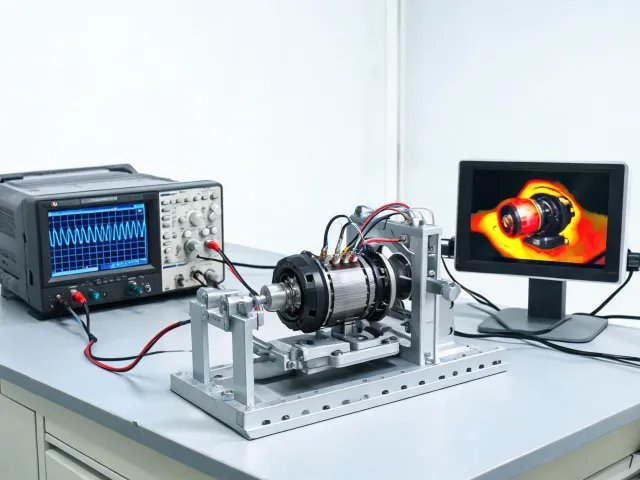
Brushless Drive Lab
Motor controllers are reviewed against stall behavior, heat rise and trigger response so compact drills and impact drivers stay predictable under load.
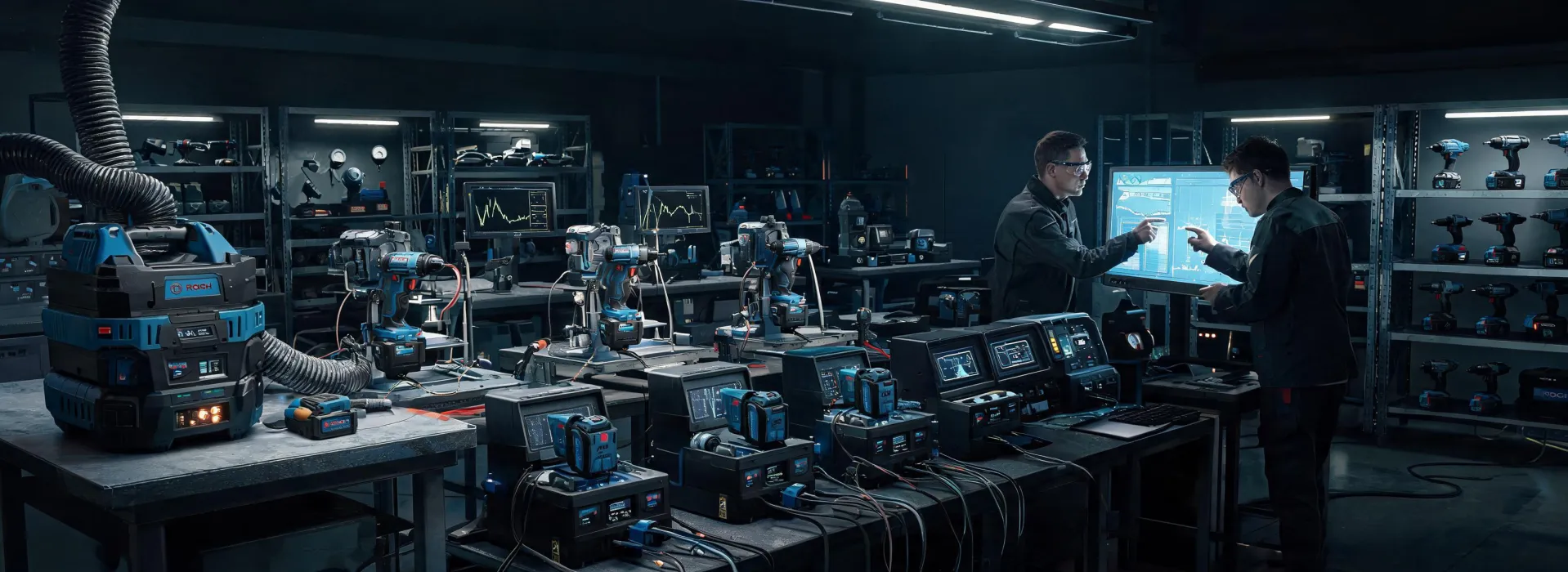
Bosch approaches tools as systems rather than isolated products. A drill is connected to its battery, charger, bit geometry, dust extraction path, torque control and repair documentation. That system view shapes how Bosch evaluates new power tools, hand tools, fasteners and pump parts before they reach a tool crib or dealer shelf.
Every Bosch tool decision should make a repeated task easier to specify, safer to control and simpler to service.
Tool systems mission
That mission turns engineering attention toward the small details professionals notice after the first week of use: vibration levels during concrete drilling, grip shape after a long overhead fastening sequence, battery rotation on a shared charger, carbide wear in abrasive masonry and the way service data follows a serial number. Bosch content for this site keeps those details visible because they are often the difference between a smooth tool rollout and a rack of mismatched kits.
The brand language is direct and technical, but the end goal is practical. Purchasing teams need enough information to compare models without reading twenty disconnected documents. Site leads need guidance that respects trade realities. Service teams need clean warranty, accessory and replacement part records. Bosch brings those needs into one engineering conversation.
Lab work focuses on repeatable signals: current draw, thermal load, fastening consistency, impact energy, ingress protection and accessory wear.
Motor controllers are reviewed against stall behavior, heat rise and trigger response so compact drills and impact drivers stay predictable under load.
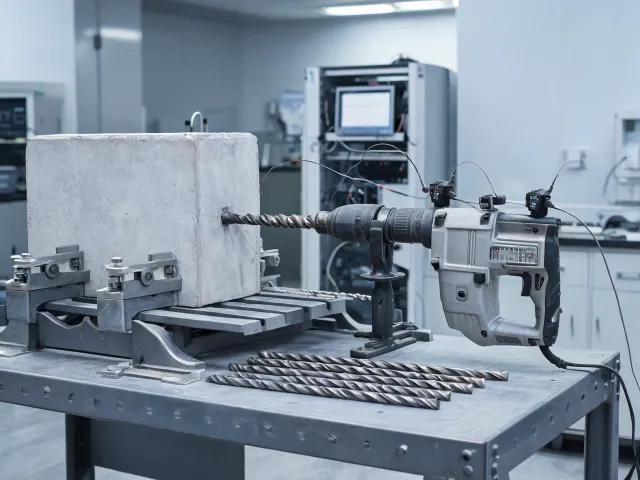
SDS-plus and SDS-max tools are checked for impact energy, bit tracking, dust extraction capture and operator exposure during repeated drilling cycles.
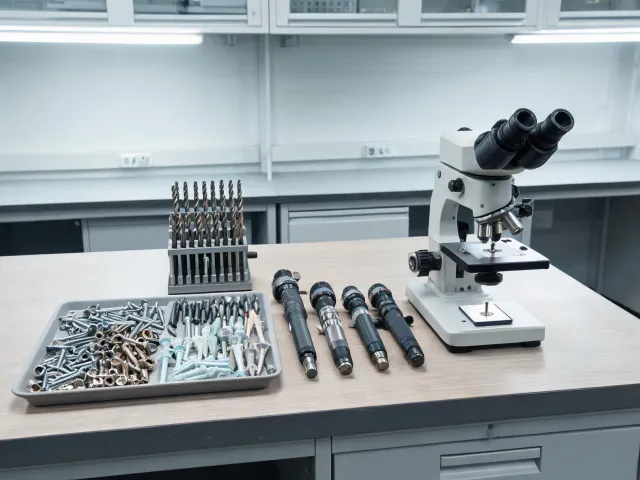
Anchors, screws, washers, drill bits and saw blades are grouped with the tools that drive them, reducing the chance of mismatched field setups.
Bosch documentation is written to support comparison and specification. It avoids generic claims and favors measurable conditions that can be discussed with a dealer, service partner or field supervisor.
Explains hole diameter, embedment depth, vibration control and dust extraction considerations for rotary hammer selection.
Request guideSeparates useful duty-cycle signals from marketing noise so buyers can compare compact and heavy-load cordless tools.
Request briefLists the model, serial, dealer, owner and service details that help warranty routing stay clean over the life of a kit.
Request checklistShare the material, accessory, runtime or warranty question. Bosch can help frame the decision with the same engineering criteria used across its tool system.