Capture the task envelope
Share the trade, material, hole diameter, fastener type, pump duty or cutting workload. Bosch maps that envelope against voltage, torque and accessory constraints before naming a product family.
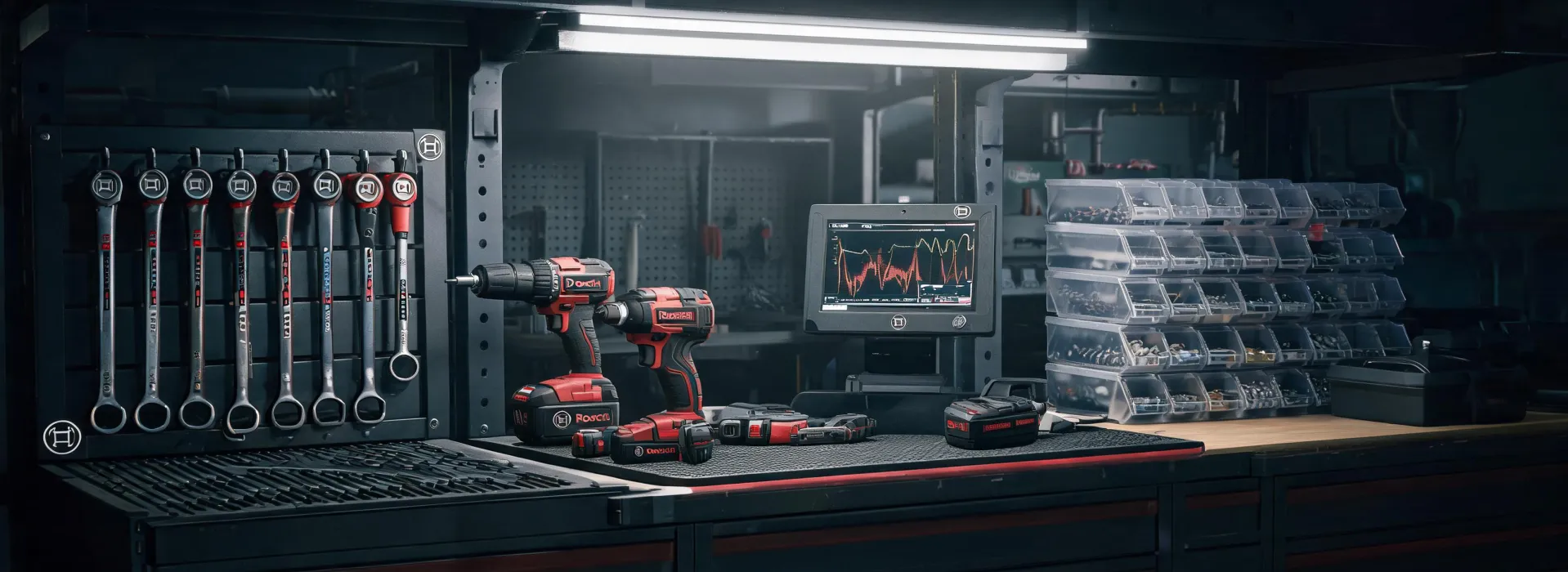
Bosch service planning starts with measurable tool behavior: torque class, SDS shank format, dust extraction fit, accessory wear, battery cycle expectations and serial-level warranty status. The goal is simple. Crews should know which kit is ready, which kit needs a part, and which tool belongs in the next purchase order before downtime reaches the jobsite.
Every support path is tied to operating variables, not vague service language. That makes handoff easier for procurement, site supervisors and repair partners.
| Service Area | Parameters Reviewed | Output for the Crew |
|---|---|---|
| Tool Selection | Voltage platform, torque band, impact rate, SDS-plus or SDS-max class, IP exposure and duty cycle. | A short list of drills, drivers, grinders or hammers matched to material and shift length. |
| Accessory Matching | Carbide grade, HSS coating, blade tooth geometry, anchor diameter, dust port and hole depth. | Accessory bundles that reduce premature bit wear, wandering holes and fastening rework. |
| Warranty Registration | Model number, serial number, purchase channel, tool crib owner and service interval notes. | Clean documentation for warranty activation, replacement routing and repair history. |
| Fleet Review | Battery health, charger count, shared accessories, failed fasteners and idle equipment patterns. | A practical plan for retiring worn tools, filling gaps and standardizing high-use kits. |
The process is built for busy trade teams. It accepts imperfect field information, asks for the missing technical details, then translates the result into a kit, service path or comparison brief that buyers can actually use.
Share the trade, material, hole diameter, fastener type, pump duty or cutting workload. Bosch maps that envelope against voltage, torque and accessory constraints before naming a product family.
The service review compares batteries, chargers, dust extraction, bit interface, blade size and existing tool crib inventory. This prevents a single new tool from creating a pile of unsupported accessories.
Serial numbers, dealer references and repair priorities are captured early. That keeps warranty activation, field service and replacement part questions from becoming separate conversations later.
The final response lists the right Bosch tool class, accessory path, spare parts to hold, and any training note such as vibration control use, anchor setting sequence or battery rotation practice.
Send a duty-cycle snapshot, a current tool list or a problem accessory. Bosch will help compare platform fit, SDS class, fastening torque and service coverage before the next order is placed.