Bosch Tools for Professional Crews: A Cost Controller's Honest TCO Review
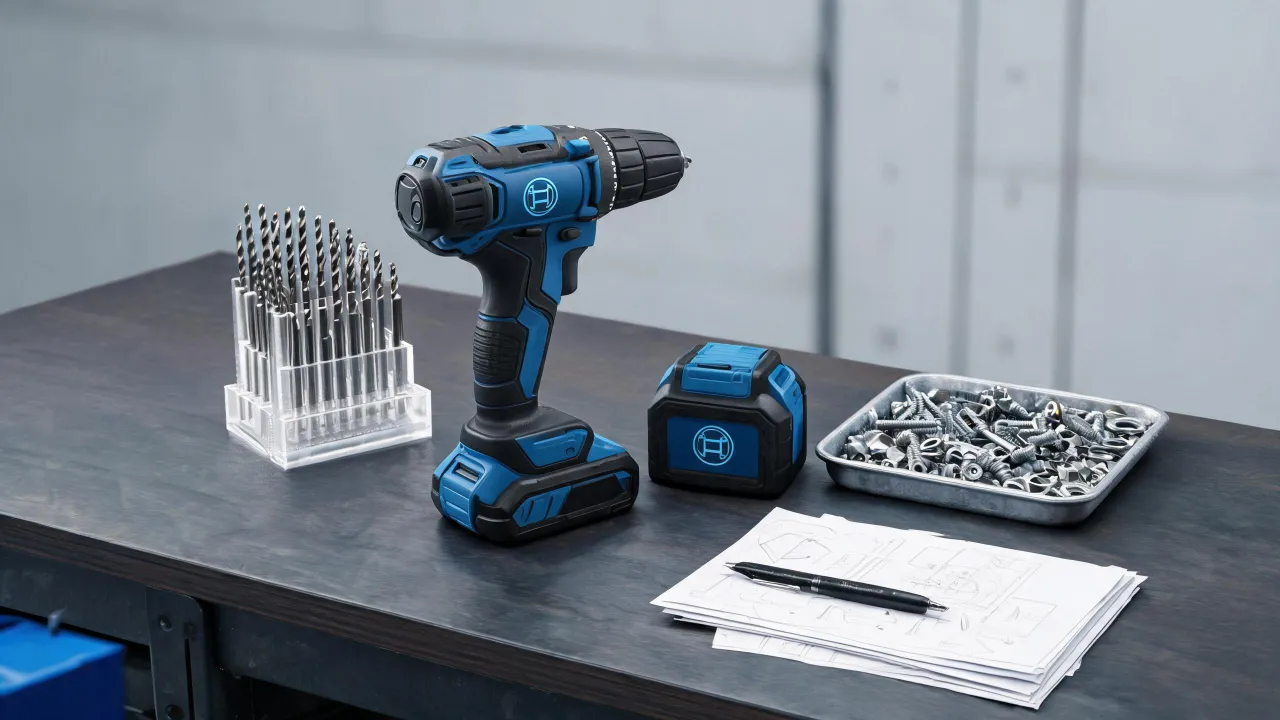
Most tool-buying mistakes aren't about the brand. They're about matching price to duty cycle. I've spent six years managing a $62,000-a-year tool and equipment budget for a 34-person commercial maintenance company, and the pattern is consistent: crews that buy a cheaper cordless drill to 'save money' usually replace it twice as often as teams that buy the Bosch professional tool once. Total cost of ownership beats sticker price every time. In our January 2025 cost review, the number that stood out was $4,300—the replacement and downtime cost of failed non-Bosch tools in one quarter. That was more than half of what the equivalent Bosch tools would have cost us upfront.
Why This Isn't Another Brand Review
I'm a procurement manager, not a tool influencer. I don't get paid to like Bosch. I get paid to keep jobs moving without letting purchase orders get out of hand. Every tool I recommend below has survived our cost tracking system: purchase date, hours in service, repair log, and replacement date.
I assumed early on that 'same specifications' meant identical results across brands. Didn't verify. Turned out each manufacturer interpreted impact energy and voltage numbers differently. That mistake is why I now build a total-cost comparison anytime a tool order hits $500.
The Four Bosch Purchases I Keep Defending
Here's what the spreadsheet says after six years of buying tools for crews that run drills, hammer drills, grinders, and bits daily.
Bosch cordless drill: the standard for daily fastening
The Bosch cordless drill is the tool we order when a new technician joins the team. The kit costs around $220 with two batteries, and that isn't the cheapest option. But in our 2023 side-by-side, a $110 no-name drill developed noticeable chuck wobble after 400 screws into pressure-treated lumber. The Bosch unit didn't. More importantly, the technician didn't have to stop halfway through a job.
I have mixed feelings about brand premiums. On one hand, a logo doesn't drive screws. On the other hand, our repair log shows Bosch cordless drills coming back at about a quarter of the rate of cheaper units. So we pay the premium where the tool runs daily. The client sees us finishing on time, and that's a brand impression too.
Bosch SDS-Max demolition hammer 11321evs: the used-market star
The Bosch SDS-Max demolition hammer 11321evs is not the newest model, and that's exactly the point. We bought a used one in 2023 for $350 and put $80 into a new cord and a basic service kit. It has logged over 40 hours of concrete demolition in two years without a catastrophic failure. Replacement parts are easier to find because the design has been around long enough to create a used parts network.
This is where my 'buy new' instinct gets uncomfortable. Part of me wants every tool fresh out of the box. Another part knows that this old hammer makes money every time it fires up. I compromise by buying the 11321evs used only when I can inspect the brushes and chuck first.
Bosch 4 1/2 angle grinder: one for the bench, not one for every truck
Our Bosch 4 1/2 angle grinder is the nearest thing we have to a shop fixture. It lives on the metal bench and gets used for cutting, grinding, and the occasional emergency rebar trim. I'd rather have one reliable 4 1/2 angle grinder in a dedicated spot than buy two cheap grinders so they can sit in different trucks and fail at the same time.
When I say 'reliable,' I do not mean never breaks. I mean the downtime is predictable and the repair cost is low. We keep spare brushes in the shop, and the grinder keeps working. That's the cost-controller definition of quality.
Bosch 05150101001 insert screwdriver pieces: the accessory exception
If you're searching for '05150101001 insert screwdriver pieces' because a supply house gave you that number, here's my honest verdict: buy it. Most bit sets are disposable. This one is not.
I put the Bosch 05150101001 insert screwdriver pieces through a six-month test across three crews. The PH2 bits didn't strip out after two days of driving cabinet screws. At the end of the test, the bits that mattered still sat snug in a drill chuck. The set costs more per piece, but the cost per usable hour is lower. Plus, when we drive screws that seat flush on a customer-visible surface, stripped heads are not a good look.
How to Work a Hydraulic Jack (and Not Overspend on One)
Now the search term that gets more bad advice than it should: 'how to work hydraulic jack.' I'm not a mechanic, but I've bought enough jacks for our service trailers to know the steps. Here's the safe way:
- Park on level ground and chock both sides of the wheels.
- Turn the release valve clockwise until snug—this closes it.
- Place the jack under the manufacturer-approved lift point.
- Pump the handle to raise the load.
- Put a jack stand under the load before you go under anything.
- To lower, turn the release valve counterclockwise slowly. Go inch by inch, not all at once.
The money lesson: I assumed a 12-ton jack was always safer than a 6-ton jack. Didn't verify. Turned out the 12-ton model wouldn't fit under our low-clearance trailer axle, and the 6-ton jack was the right tool. The upside of buying the lighter jack was saving $160. The risk was a failure under a loaded chassis. I kept asking myself: is $160 worth potentially damaging a $40,000 trailer? It wasn't. Rated capacity only helps if the jack actually fits and the load is centered.
When the TCO Argument Falls Apart
There are times I'd tell a contractor not to buy Bosch.
If the tool sits in a drawer for three weeks between uses, pay less. The Bosch premium is a bad use of cash when the tool earns nothing. If you're a solo operator doing light repairs, a homeowner-grade drill may be enough—not because I'm dismissing hobby tools, but because the payback period on a professional cordless drill might exceed the life of the business.
The real skill is sorting high-cycle tools from low-cycle tools. The Bosch cordless drill, the 11321evs demolition hammer, the shop grinder, and the insert bit set earn their keep in daily use. But a $90 trim router or a $40 heat gun that gets used once a month doesn't need to carry a German engineering premium.
I still buy cheap cutting wheels and cheap hole saws. The products that run eight hours a day justify the brand. The tools that don't, don't. That's not a brand decision; it's a math decision.

Maren Jorgensen
Maren Jorgensen is an independent hand tool and torque applications analyst covering wrenches, pliers, screwdrivers, hammers, sockets, ratchets, hex keys, and tool sets. She applies ISO 6789-1 torque-tool conformance principles while examining jaw capacity, leverage, fastener engagement, torque range, accuracy, handle geometry, and material hardness. Her practical guides help tradespeople and procurement teams select suitable tools, plan controlled tightening, and compare durability without relying on brand reputation alone.