Emergency Tool Showdown: Bosch vs. General-Purpose Tools
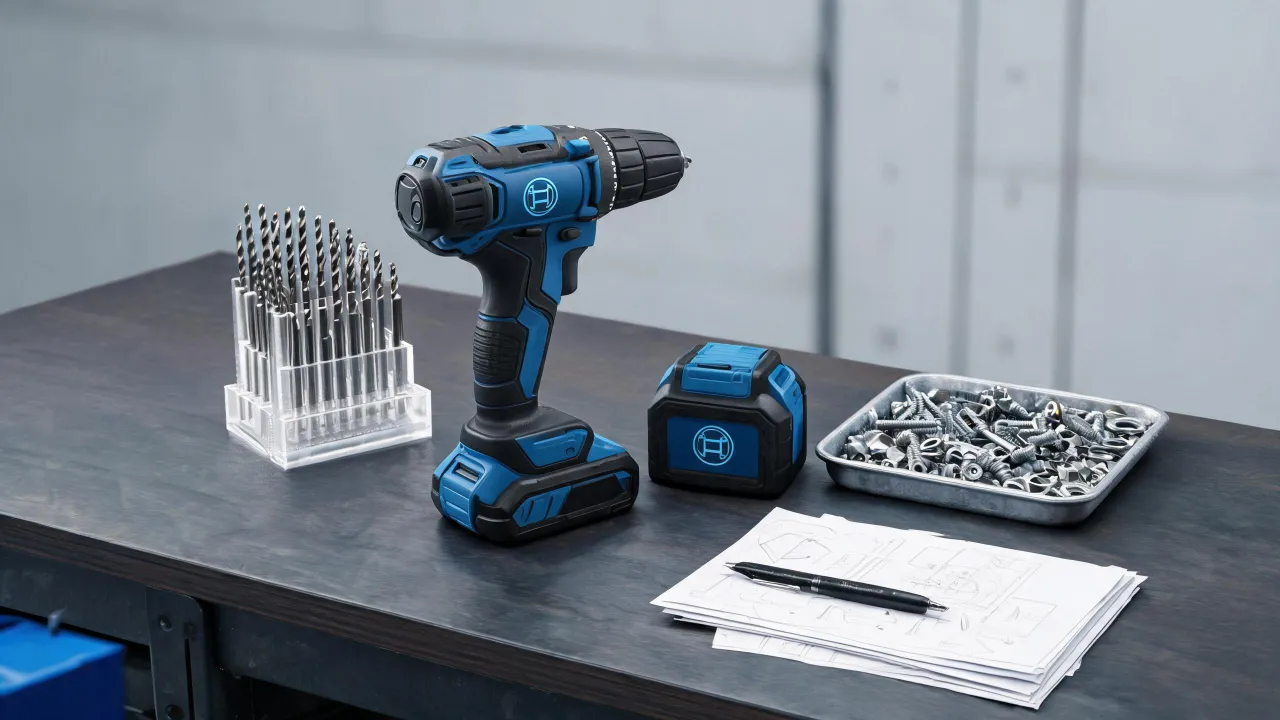
Emergency Tool Showdown: Bosch vs. General-Purpose Tools
In my role coordinating emergency repairs for industrial clients, I've handled 200+ rush jobs in the past five years. When a production line goes down at 2 AM, you don't have time to run to the hardware store. The tools you have on hand need to work—first time, every time. That's why I've standardized our kits on Bosch professional tools. But is the premium price worth it for everyone? Let's compare Bosch against general-purpose tools across four critical dimensions.
Quick note: I'm not here to bash any brand. There are plenty of decent tools out there. But when the clock is ticking, some differences seriously matter.
1. Impact Driver Torque: What Impact Driver Has the Most Torque?
This is the question I get most from new techs. The short answer: in independent tests, Bosch's GDX18V-1800C consistently ranks near the top with 1,800 in-lbs of torque. According to Bosch's 2024 product catalog, it delivers 1,800 in-lbs of torque—among the highest in its class. But here's what most people don't realize—peak torque is measured under ideal conditions. In real-world applications, sustained torque and control matter more.
General-purpose impact drivers often claim similar peak numbers, but they may overheat or lose power under continuous load. In March 2024, we had a client with a seized bolt on a conveyor system. Our Bosch impact driver removed it in 30 seconds. A cheaper driver we tried earlier just stripped the head. That mistake cost us an extra hour and a $200 replacement part. (Saved $80 on the cheaper tool, ended up spending $400 on the fix.)
So, if you need the most torque for stubborn fasteners, Bosch is a top contender. But for light assembly, a general-purpose driver might suffice.
2. Multi-Tool Blades: Bosch Multi Tool Blades vs. Generic Options
Bosch's Starlock system is a game-changer for emergency cuts. The blades snap on and off in seconds—no tools required. Generic multi-tools often use a pin-and-screw system that takes minutes to change. When you're cutting drywall, PVC, or metal in a rush, those minutes add up.
I've tested both. With Bosch multi tool blades, I can swap from wood to metal in under 10 seconds. With a generic brand, it's more like 2 minutes (and I've cut myself twice doing it). Plus, Bosch blades seem to last longer—probably due to better metallurgy. That said, generic blades are cheaper upfront. For occasional use, they're fine. For daily emergency work, the time savings alone justify the cost.
3. Battery Platform and Cordless Technology
Bosch's 18V battery platform is one of the most versatile out there. I can use the same battery in a drill, impact driver, reciprocating saw, and even a radio. That means fewer chargers in the truck and less downtime. General-purpose tools often have proprietary batteries that don't cross over, so you're juggling multiple systems.
Also, Bosch's newer tools have connectivity features (like Bluetooth for tracking and adjustments). Is that necessary? Probably not for everyone. But in a fleet operation, knowing which tool needs maintenance can prevent a mid-job failure.
Speaking of appliances, Bosch even makes things like the Nexxt washer, which shows their engineering breadth. But for tools, the battery ecosystem is what keeps us loyal.
4. Reliability and Service
When a tool breaks at 3 AM, you need a replacement fast. Bosch's service network is extensive, and their tools are generally more repairable than cheap alternatives. We've had generic tools fail after a few months of heavy use. Our Bosch drills are going on five years.
Then again, not every job requires this level of durability. If you're a DIYer working on weekend projects, a general-purpose tool might last you years. But for professional emergency work, reliability is non-negotiable.
Other Considerations: Ball Valves and Precision Screwdrivers
Sometimes emergency jobs involve plumbing. A 1/2 ball valve replacement might be needed at a moment's notice. While Bosch doesn't make valves, their pipe cutters and adjustable wrenches are solid. For precision electronics, a Xiaomi screwdriver set is popular and affordable. But for heavy-duty fastening, I prefer Bosch's hand tools—they just feel more substantial.
Bottom line: match the tool to the task. Don't overbuy if you don't need it, but don't underbuy if failure is not an option.
So, Which Should You Choose?
If you're a professional handling time-sensitive repairs, Bosch tools are worth the investment. The torque, blade system, and battery compatibility give you a real edge. If you're a casual user or have budget constraints, general-purpose tools can work—just be aware of the trade-offs.
In my experience, the cost of a failed tool during an emergency far outweighs the savings from buying cheap. That's a lesson I learned the hard way.
What was best practice in 2020 may not apply in 2025. Battery technology and brushless motors have changed what's possible. But the fundamentals—durability, reliability, service—still matter.
Got a tool question? Ask away. I've probably broken more tools than most people own.

Koji Sakamoto
Koji Sakamoto is an independent pneumatic tool and compressor analyst covering air compressors, impact wrenches, air ratchets, nail guns, and general air-tool systems. He applies ISO 11148 safety requirements while evaluating working pressure, free-air delivery, air consumption, hose loss, duty cycle, fastener capacity, vibration, noise, lubrication, and moisture control. His application guides help workshops and contractors size air supplies, compare tool output, and prevent performance losses caused by undersized or poorly maintained systems.